
How to Build a Fleet Maintenance Plan That Actually Works
A well-built fleet maintenance plan reduces breakdowns, prevents costly downtime, and keeps heavy-duty trucks compliant and road-ready. Implementing a proactive maintenance strategy helps fleet managers control costs, improve reliability, and keep operations running smoothly across every route.
.webp)
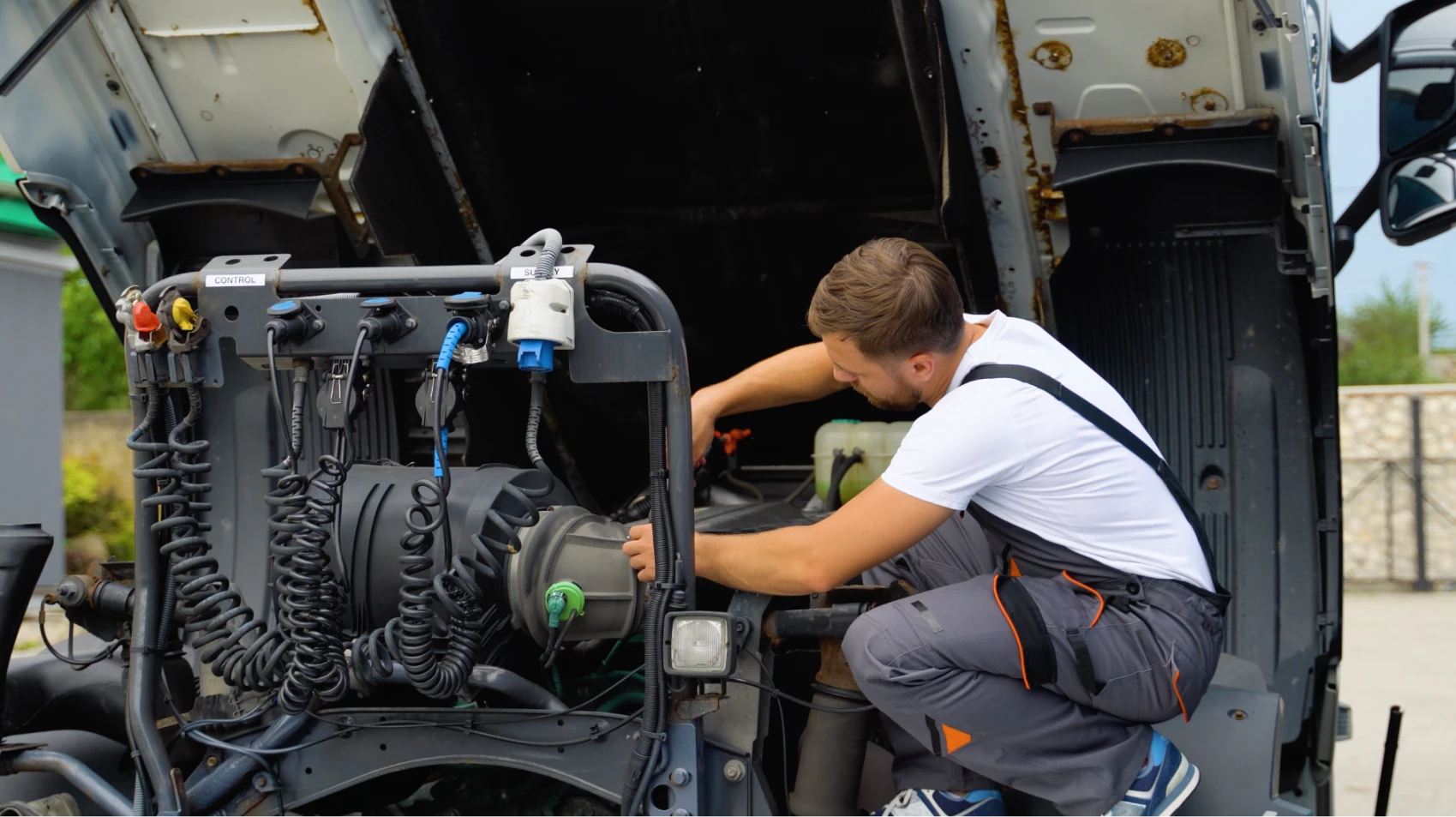
If you're managing a fleet of heavy-duty trucks, you already know that a few breakdowns can bring your entire operation to a screeching halt. Missed deliveries. Angry clients. Costly tows. And let’s not even start on DOT violations. That’s why building a fleet maintenance plan that actually works is non-negotiable.
Whether you're running routes or hauling long-distance loads, your maintenance strategy should be proactive, not reactive. Let’s dive into how to build a rock-solid fleet maintenance program that saves time, money, and a whole lot of stress.
Step 1: Inventory Your Fleet Assets
Before you can maintain what you own, you need to know what you’ve got. That starts with creating a comprehensive fleet inventory. Log the following for every vehicle:
- Year, make, and model
- VIN and license plate
- Engine type and drivetrain setup
- Maintenance history
- Current mileage and engine hours
- Assigned driver (if applicable)
This foundation sets the stage for tracking trends, scheduling service, and catching early wear patterns. Plus, it makes regulatory inspections a whole lot smoother.
Step 2: Build a Preventive Maintenance (PM) Schedule
The backbone of any effective plan is preventive maintenance. Skipping oil changes or letting brake pads wear thin isn’t just risky, it’s expensive.
Every fleet truck should be on a PM schedule based on:
- Time (monthly, quarterly, annually)
- Mileage (every 10,000 or 15,000 miles)
- Engine hours (important for vocational or idle-heavy fleets)
Your preventive maintenance checklist should include:
- Oil and filter changes
- Brake system inspections
- Air filter replacement
- Coolant and transmission fluid checks
- Tire pressure and tread depth
- Suspension, steering, and driveline inspections
- Battery and charging system checks
And don’t forget to track your DEF system, aftertreatment components, and ECM software updates if you're running emissions-compliant trucks.
Step 3: Standardize Maintenance Procedures
Inconsistency kills efficiency. Whether your team is wrenching in-house or using a mobile diesel tech, everyone should follow the same standard operating procedures (SOPs).
Why it matters:
- Ensures all systems are checked every time
- Improves diagnostic accuracy
- Helps with technician training
- Provides consistent service records for audits
Use digital inspection forms or fleet software to ensure nothing gets missed during routine checks. Pro tip: add photos for visual tracking of worn parts.
Step 4: Create a Reporting and Logging System
Good records aren’t just for DOT audits, they’re your early warning system. By logging all services, breakdowns, and inspections, you can identify patterns like:
- Recurring issues on certain makes/models
- Cost trends on specific components
- Frequent repairs tied to specific drivers or routes
Whether you’re using fleet maintenance software or spreadsheets, make sure your logging system tracks:
- Service date and mileage
- Parts used
- Technician notes
- Downtime
- Cost per repair
Over time, this gives you data-driven insight into how to tweak your plan and reduce long-term costs.
Step 5: Train Your Drivers to Be the First Line of Defense
Your drivers are with your trucks more than anyone else. That makes them the front line of fleet maintenance, if you train them right.
Build a Driver Vehicle Inspection Report (DVIR) program that encourages daily walk-arounds, including:
- Tire condition and pressure
- Oil leaks
- Light function (headlights, turn signals, brake lights)
- Windshield wiper condition and fluid level
- Air brake checks (if applicable)
- Unusual noises or smells
Not only does this catch issues before they become expensive failures, but it also helps you stay DOT-compliant.
Bonus: Keep open communication between drivers and your maintenance team. A sharp-eared driver might catch a bad wheel bearing before it becomes a dropped axle.
Step 6: Budget for Both Routine and Unexpected Costs
Maintenance isn’t free, and ignoring it is even more expensive.
Create a maintenance budget with three main buckets:
- Preventive Maintenance: based on manufacturer guidelines and internal history
- Predictive Repairs: like replacing belts or sensors based on condition trends
- Breakdowns/Unexpected Failures: reserve 10–15% for these
Using historical fleet data will help you get realistic with your numbers. Don’t forget to include mobile service fees, after-hours labor, and rental truck expenses in your calculations.
Step 7: Use Fleet Maintenance Software
Pen and paper won’t cut it if you’re running more than a couple of trucks. For real efficiency, invest in fleet management software.
Look for features like:
- Customizable maintenance schedules
- Alerts for upcoming service
- Work order creation
- Fuel tracking
- DVIR integration
- Cost-per-mile tracking
Whether you're running a small fleet in Fuquay-Varina or growing statewide, fleet software helps you stay organized and scalable.
Step 8: Monitor KPIs and Adjust Regularly
A maintenance plan shouldn’t be static. Revisit your process every quarter using key performance indicators (KPIs) such as:
- Downtime per truck
- Cost per mile
- PM compliance rate
- Breakdown frequency
- Parts cost trends
If certain metrics are trending in the wrong direction, dig into the root cause. Is a vendor using poor-quality parts? Are certain drivers hard on equipment? Is your schedule too loose?
Adjust your plan based on real-world results, not assumptions.
The Key to a Reliable Fleet? Consistency.
A fleet maintenance plan that actually works isn’t just a binder full of checklists. It’s a living, breathing system that requires buy-in from every level, ownership, techs, and drivers alike.
Work with D&J Diesel Fleet Service, LLC. We take the time to build a structured, data-driven, and flexible approach, you’ll reduce downtime, avoid compliance headaches, and keep your trucks rolling strong through Fuquay-Varina and beyond. For more information, read our article on what a reliable fleet maintenance provider is like.
%201.svg)

%201.svg)
7:00 AM - 7:00 PM