
5 Hidden Causes of Poor Truck A/C Performance Most Drivers Overlook
It's not always the refrigerant. Heat exposes A/C problems most drivers miss until the cab is unbearable. Here are 5 overlooked causes worth checking now.
.webp)
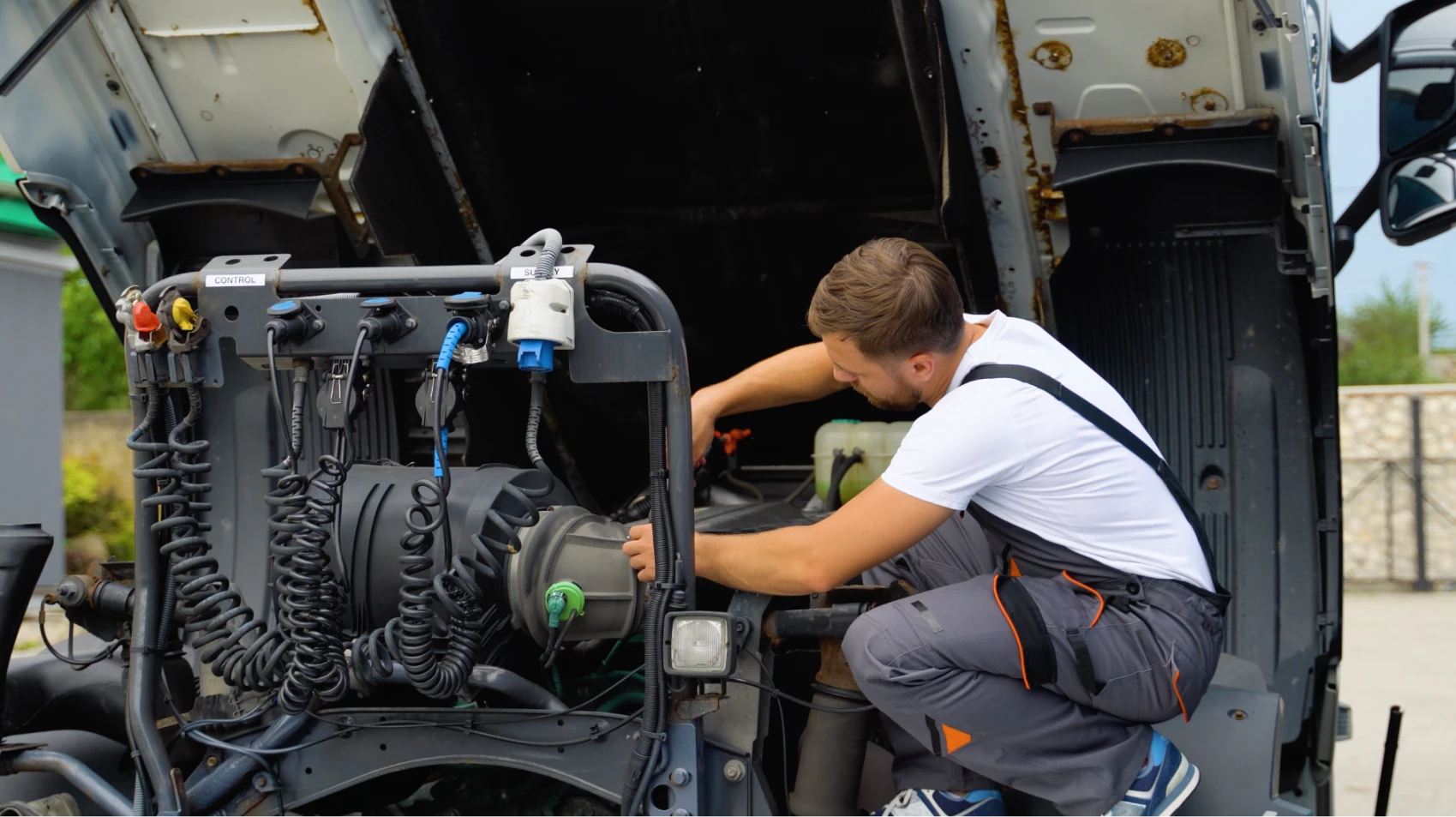
A reliable air conditioning system does more than keep you comfortable behind the wheel. During long hauls through North Carolina's hot and humid summers, your truck's A/C helps reduce driver fatigue, improve focus, and create a more comfortable work environment. If your vents aren't blowing cold air like they used to, the problem may be more than low refrigerant.
Many semi-truck drivers overlook early warning signs that their A/C system needs attention. Catching these issues early can help prevent more expensive repairs while keeping your cab cool throughout every trip.
If you drive in Fuquay-Varina, NC, here are five common causes of poor truck A/C performance that shouldn't be ignored.
1. A Dirty or Restricted Cabin Air Filter
One of the simplest causes of weak A/C performance is a clogged cabin air filter.
As the filter collects dust, pollen, dirt, and road debris, airflow through the HVAC system becomes restricted. Even if the air conditioning system is producing cold air, reduced airflow can make the cab feel warmer than it should.
Common symptoms include:
- Weak airflow from the vents
- Longer cooling times
- Musty odours inside the cab
- Increased strain on the HVAC blower motor
Replacing the cabin air filter at the recommended service interval helps restore proper airflow and improves overall cooling performance.
2. Low Refrigerant Levels
Your truck's air conditioning system depends on the correct amount of refrigerant to absorb heat from inside the cab and release it outside.
Over time, small leaks can develop around hoses, seals, fittings, or other A/C components. As refrigerant levels drop, cooling efficiency declines.
Signs of low refrigerant include:
- Warm air from the vents
- A/C that cycles on and off frequently
- Longer cooling times
- Reduced cooling during idle
Because refrigerant circulates in a sealed system, low levels usually indicate a leak that should be repaired before simply adding more refrigerant.
3. A Worn Compressor
The A/C compressor is responsible for circulating refrigerant throughout the system. Without it, the air conditioning system cannot produce cold air.
As compressors age, internal components wear down and performance gradually decreases.
Symptoms of compressor problems may include:
- Warm air despite the A/C being on
- Grinding or squealing noises
- Compressor clutch not engaging
- Inconsistent cooling
Ignoring compressor issues can eventually affect other A/C components, leading to more extensive repairs.
4. Condenser Problems
The A/C condenser sits near the front of the truck and releases heat collected from inside the cab.
Because of its location, the condenser is constantly exposed to:
- Dirt
- Road debris
- Mud
- Insects
- Small rocks
Blocked airflow prevents the condenser from removing heat efficiently.
Additionally, bent cooling fins or physical damage can reduce its effectiveness.
Routine inspections and cleaning help maintain proper airflow across the condenser and improve cooling performance.
5. Electrical or HVAC Control Issues
Not every air conditioning problem involves refrigerant or mechanical components.
Modern semi-trucks rely on electrical controls, sensors, switches, relays, and blower motors to operate the HVAC system properly.
Electrical faults may cause:
- Blower motor failure
- Intermittent cooling
- Incorrect temperature control
- A/C that won't turn on
- Inconsistent fan speeds
Professional diagnostics can identify electrical issues before they become larger system failures.
Other Warning Signs Your Truck's A/C Needs Attention
Besides weak cooling, watch for these additional symptoms:
- Unusual noises when the A/C is running
- Moisture inside the cab
- Unpleasant odours from the vents
- Airflow that changes unexpectedly
- Cooling that works only while driving
Addressing these warning signs early often helps avoid more costly repairs later.
Why Preventive A/C Maintenance Matters
Like every major system on your truck, your air conditioning system benefits from routine maintenance.
Regular inspections may include:
- Refrigerant level checks
- Leak inspections
- Cabin air filter replacement
- Compressor inspection
- Condenser cleaning
- Belt inspection
- Blower motor testing
- HVAC performance testing
Preventive maintenance helps technicians identify worn components before they fail completely, improving system reliability and extending the life of your truck's A/C.
Don't Wait Until the Cab Gets Hot
Minor air conditioning problems rarely fix themselves. Addressing these issues early can help restore cooling performance, reduce repair costs, and keep you comfortable during every mile on the road.
If your truck's air conditioning isn't keeping up with the North Carolina heat, contact D&J Diesel Fleet Service, LLC. We diagnose your HVAC system, identify the source of the problem, and get your truck blowing cold air again.
For more information about heavy-duty trucks, read our article on how to build a fleet maintenance plan.
%201.svg)

%201.svg)
7:00 AM - 7:00 PM